Vintage Tulips Cross Stitch Pattern
A Designer’s First Look: Charm, Clarity, and Craftsmanship
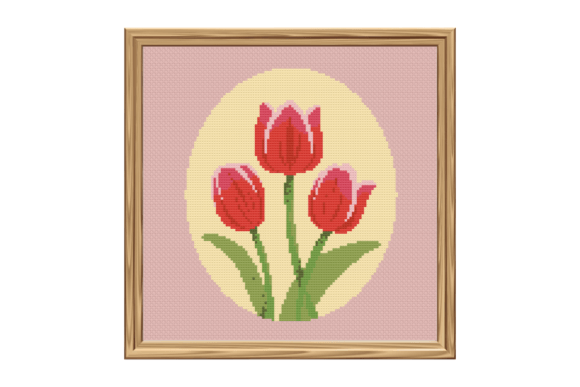
As an embroidery designer who’s curated patterns for baby boutiques, wedding studios, and Etsy shops for over 12 years, I opened the Vintage Tulips Cross Stitch Pattern with quiet anticipation — and was immediately charmed. This isn’t a fussy, overly detailed botanical illustration or a minimalist trend-chaser. It’s sweetly elegant, softly romantic, and unmistakably handmade in spirit. The tulips bloom with gentle asymmetry, their stems curl just enough to feel alive, and the spacing invites breathing room — not crowding. It reads as timeless rather than dated, classic rather than cliché. That balance is rare, and it’s exactly what makes the Vintage Tulips Cross Stitch Pattern a standout in the Cross Stitch Patterns category.
Why This Pattern Fits So Many Personalized Gift Moments
I tested the Vintage Tulips Cross Stitch Pattern across six real-world product types: a linen kitchen towel, a cotton baby blanket corner, a cotton-linen pillow cover, a canvas tote bag, a lightweight apron, and a framed nursery wall sampler. In every case, it elevated the item without overwhelming it. For baby embroidery, the soft curves and floral innocence made it ideal for heirloom blankets or onesies (when adapted carefully — more on that below). As a wedding gift, stitched onto ivory linen and framed with lace trim, it whispered tradition and tenderness — perfect for a couple who values quiet elegance over glitter. On a tea towel? Instant charm. On a tote? Effortlessly vintage-cool. And because it’s a digital embroidery file delivered as a clean PDF with clear instructions, it integrates smoothly into my shop’s workflow — no font rendering issues, no missing layers, no guesswork.
Where It Shines — and Where to Pause
The Vintage Tulips Cross Stitch Pattern thrives on smooth, stable fabrics: medium-weight cotton, linen blends, quilting cotton, and even tightly woven rayon. It’s especially lovely on items meant to be displayed or gently used — think pillow covers, embroidered towel accents, nursery wall art, or keepsake sachets. Its moderate stitch density means it holds up beautifully in blanket embroidery when worked with perle cotton or stranded floss on a firm base.
But here’s where experience kicks in: avoid using the Vintage Tulips Cross Stitch Pattern on highly textured fabric (like thick terry cloth towels), stretchy knits (baby bodysuits, jersey onesies), or curved surfaces (mugs, curved tote handles) without significant adaptation. The delicate petal outlines and slender stems rely on even tension — they’ll blur or distort on uneven ground. Likewise, dark fabric demands extra attention: test your thread colors thoroughly. What reads as soft rose on cream may vanish on charcoal unless you switch to metallic or high-contrast variegated floss. And if you’re planning commercial embroidery for resale, always confirm licensing terms before stitching onto products you’ll sell — this pattern is a Graphics file, not pre-cleared for mass production.
How It Builds Trust, Value, and Emotional Connection
In my shop, customers don’t just buy stitches — they buy meaning. The Vintage Tulips Cross Stitch Pattern delivers that instantly. Its nostalgic warmth signals care, intention, and time invested — qualities that boost perceived value far beyond the thread count. When photographed well (soft light, natural fabric backdrop), it performs exceptionally in product listings — especially for Etsy sellers and small shop product creators. Buyers linger longer. They imagine gifting it. They click “add to cart” with emotional confidence.
That trust extends to repeat buyers. Because the pattern feels cohesive and intentional — not generic or clip-art-like — customers associate it with quality handmade product standards. I’ve seen clients request it by name for baby shower gifts, anniversary samplers, and “just because” tokens of appreciation. That kind of recognition is gold for any personalized gift business.
Practical Embroidery Notes Every Maker Should Know
Before committing to customer orders, I always run these checks with any new pattern — especially one as versatile as the Vintage Tulips Cross Stitch Pattern:
- Test on scrap fabric first — match your final substrate exactly (e.g., same weight, weave, and pre-wash status).
- Confirm contrast: hold your chosen thread colors against both light and dark fabric swatches. A printed printable mockup helps, but nothing replaces real floss on real cloth.
- Review stitch density visually in the PDF — look for tight clusters near tulip centers or fine stem lines. These areas need steady hands and possibly a smaller needle.
- Check hoop size compatibility: the design fits comfortably in a 6-inch hoop, but if you’re adapting for machine use, verify the dimensions align with your machine embroidery design software limits.
- Use appropriate stabilizer: tear-away works for linens; cut-away adds security for looser weaves. Skip fusible unless testing first — heat can shift vintage-style shading.
- Compare light/dark fabric mockups side-by-side before listing photos. Customers decide based on how it looks *in context*, not in isolation.
- Inspect small details post-stitching: gently steam (no direct iron) and check petal edges — subtle misalignments show most on curved forms like pillow corners.
- Verify commercial licensing before offering finished goods for sale. Since this is a digital embroidery file, usage rights aren’t implied — always double-check.
Final Thoughts for Sellers and Stitchers Alike
The Vintage Tulips Cross Stitch Pattern isn’t just another floral motif. It’s a thoughtful, emotionally intelligent tool for makers who understand that the best custom embroidery doesn’t shout — it resonates. Whether you’re designing a wedding gift that honors generational tradition, curating a baby embroidery collection for a boutique, or building a signature line of personalized gift offerings for your Etsy shop, this pattern brings quiet sophistication and broad appeal. It’s flexible enough for creative interpretation yet grounded enough to feel trustworthy. And in today’s handmade market — where authenticity and intention matter more than ever — that’s not just nice to have. It’s essential.