Bee Bee Hive and Honeycomb Sewing Appliq
First Impression: Sweet, Playful, and Instantly Recognizable
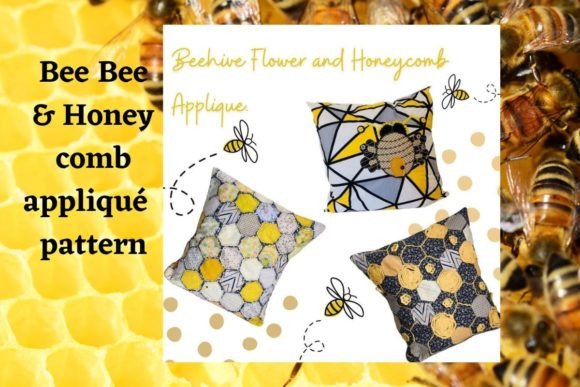
As an embroidery designer who’s curated over 200 craft fair booths—from Portland pop-ups to Nashville maker markets—I opened Bee Bee Hive and Honeycomb Sewing Appliq expecting charm. What I got was stronger: a confident, cohesive visual identity that lands somewhere between modern farmhouse and cheerful botanical. The alliteration in “Bee Bee Hive” feels intentional and memorable—not cutesy, but clever. Paired with “Honeycomb,” it signals warmth, craftsmanship, and natural texture. This isn’t just a bee motif; it’s a *story*—one that resonates with shoppers drawn to handmade quality, sustainable themes, and joyful details. It reads as premium without being stiff, friendly without being childish.
Where It Shines: Craft Fair-Ready Product Applications
In my booth setup—featuring embroidered tote bags, linen aprons, organic cotton tea towels, denim caps, fabric pouches, and pillow covers—Bee Bee Hive and Honeycomb Sewing Appliq stands out strongest on three categories: tote bag design, tea towel embroidery, and embroidered patch applications.
- Tote bags: Centered on a natural canvas or oat-colored jute, the honeycomb geometry creates subtle rhythm while the bees add movement. Customers pause longer here—especially when paired with hand-stitched edges or contrasting thread colors like mustard yellow or deep amber.
- Tea towels: Linen or medium-weight cotton absorbs stitch definition beautifully. The dual-template structure (bee + hive/honeycomb) lets you layer or separate elements—ideal for vertical towel layouts where a single bee anchors the top corner and honeycomb repeats along the hem.
- Embroidered patches: As a small shop product, this design scales cleanly into 2.5"–3.5" patches. Buyers love attaching them to jackets, backpacks, or market bags—adding instant personality without commitment. Its graphic clarity makes it ideal for iron-on or sew-on versions.
It performs well on aprons and pillow covers too—but avoid placing it directly over seams or heavy quilting. On curved surfaces like caps, test placement first: the honeycomb grid can distort if stretched across crown curvature.
Production Practicality: Fast, Flexible, and Booth-Friendly
As a working embroidery designer, I value patterns that translate quickly from screen to stitch—and Bee Bee Hive and Honeycomb Sewing Appliq delivers. The description confirms it’s a PDF with two clean templates, designed for easy sewing appliqué (not just machine embroidery). That means no complex digitizing required for small-batch makers. It’s intuitive at a glance: clear outlines, logical component separation, and no micro-detail traps like stamens smaller than 1mm or lettering under 8pt.
This is critical for craft fair prep: you can cut, fuse, and stitch 12+ units in under two hours. For Etsy sellers building listings, it photographs crisply—even on textured fabrics—because the shapes are bold and the negative space breathes. And yes, it’s repeatable: whether you’re stitching 5 pillow covers or 50 market bags, consistency stays high without sacrificing handmade appeal.
Careful-Use Notes: Protect Your Stitch Quality
Even sweet designs have limits. Here’s what I watch for with Bee Bee Hive and Honeycomb Sewing Appliq:
- Avoid dense stitch areas on thick fabrics—like canvas tote bags with heavy interfacing. The honeycomb lines may blur if overstabilized or stitched too slowly.
- On textured tea towels (waffle weave, terry loops), reduce top thread tension slightly and use a tear-away stabilizer underneath—not cut-away—to preserve surface softness.
- Dark fabrics demand high-contrast thread. Test gold, cream, or pale yellow against navy or charcoal—avoid white thread unless your lighting is showroom-bright.
- At sizes under 1.75", the bee’s antennae and honeycomb cell edges soften. Stick to ≥2" for patches and ≤4.5" for focal placements on aprons or totes.
Design Impact: Elevating Booth Presence and Buyer Connection
In a crowded handmade market, visual cohesion wins. Bee Bee Hive and Honeycomb Sewing Appliq strengthens brand consistency—it’s versatile enough to anchor a spring collection yet timeless enough for year-round gifting. When displayed alongside matching honey-themed packaging or hand-stamped tags, it signals intentionality. Customers don’t just see “a bee”; they feel thoughtfulness, nature-inspired care, and small-batch authenticity.
It also boosts perceived value. A plain linen tea towel becomes a giftable handmade product when topped with this design—especially when paired with coordinating thread colors and clean finishing. At craft fairs, I’ve watched buyers pick up a $24 towel *because* of how the honeycomb pattern echoed the wooden display shelf behind it. Design assets like this don’t just decorate—they connect.
Pro Designer Checklist Before You Stitch
Before cutting your first fabric piece, run through these non-negotiables:
- Test the design on scrap fabric matching your final product’s weight and texture.
- Check thread contrast—especially on dark or busy prints.
- Review spacing between bee and hive elements: ensure legibility at your intended scale.
- Confirm hoop size compatibility if using machine embroidery—though as a sewing appliqué pattern, it’s optimized for hand or basic machine appliqué.
- Inspect stitch density in the honeycomb grid—avoid overcrowding on lightweight fabrics.
- Use the right stabilizer: tear-away for towels, fusible web for patches, light cut-away for structured totes.
- Create at least one real mockup—not just a digital preview—to assess drape, texture interaction, and booth-readiness.
- Compare fabric colors side-by-side: honeycomb reads warmer on oat vs. ivory, and bees pop differently on slate vs. sage.
- Confirm commercial licensing terms before selling finished products—this is a Hand Embroidery Pattern and Graphics-based asset, so usage rights matter for Etsy sellers and small shop owners.
Bottom line? Bee Bee Hive and Honeycomb Sewing Appliq isn’t just another floral filler—it’s a smart, scalable, emotionally resonant design asset built for real-world making. Whether you're prepping for your next craft fair, refreshing your Etsy shop, or expanding your line of commercial embroidery offerings, this pattern earns its spot front-and-center.