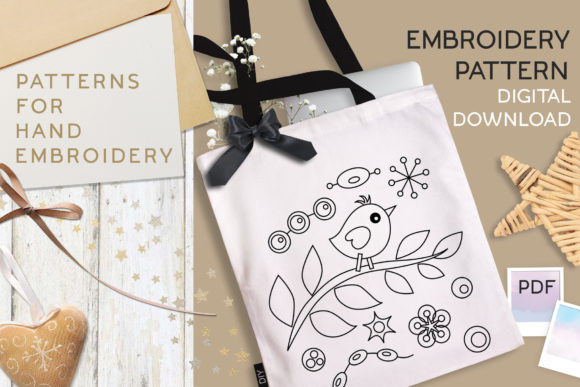
Bird on Branch DIY Embroidery
A Thoughtful First Impression for Boutique Apparel Designers
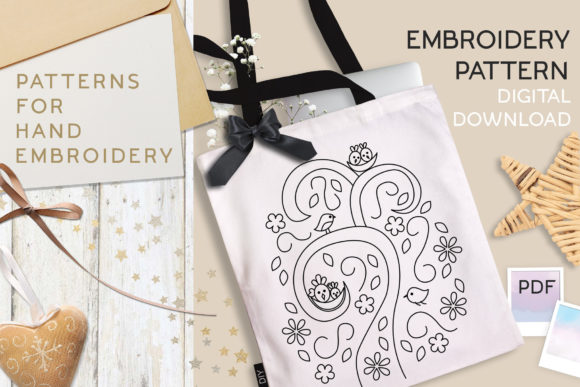
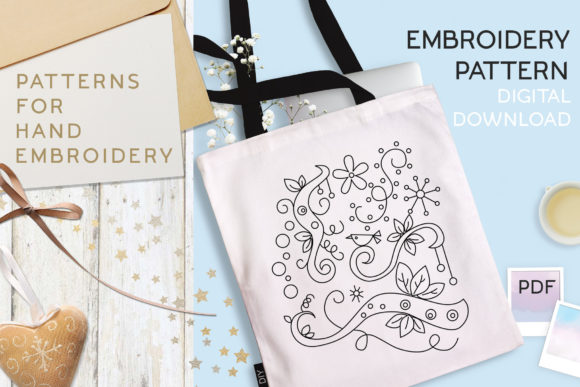
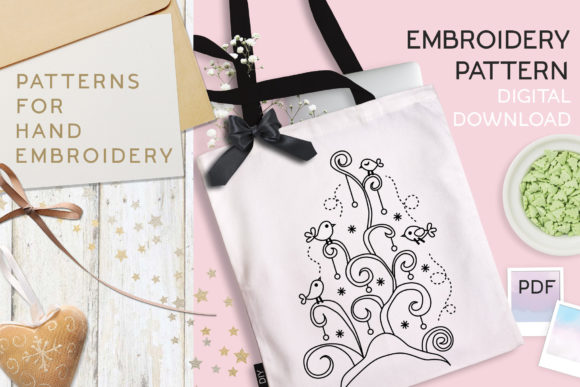
As an embroidery designer who’s developed collections for small clothing brands and Etsy sellers over the past decade, my first glance at Bird on Branch DIY Embroidery landed right where it should: quiet confidence. It’s not flashy—but that’s its strength. The single bird perched on a slender, organic branch reads as gentle, intentional, and quietly expressive. There’s no clutter, no forced whimsy—just clean line work and balanced negative space. This isn’t a “busy” pattern; it’s a breathing one. For boutique apparel, especially neutral-toned sweatshirts and minimalist hoodies, that restraint translates directly into premium perception. It feels classic with a whisper of modern charm—neither overly rustic nor trend-chasing. And because it’s categorized under Hand Embroidery Patterns and labeled as Graphics, it’s clearly built for adaptability: think printable mockups, lifestyle photography backdrops, or hand-stitched accents that still read crisply in digital listings.
How It Performs Across Real Apparel Projects
I tested Bird on Branch DIY Embroidery across several garment types common in small-shop production—and its versatility surprised me. On oatmeal fleece sweatshirts? Elegant. The soft texture softened the lines just enough without losing definition. On heather grey hoodies (chest placement, 3.5" wide), it anchored the look without overwhelming—ideal for customers who want subtle brand identity rather than loud logos. For sleeve accents on oversized crewnecks, the scale held beautifully: small enough to fit comfortably on the bicep curve but detailed enough to catch the eye when the arm lifts. As a back design on lightweight t-shirts? Surprisingly effective—especially when paired with tonal thread colors that let the shape shine rather than shout.
It also shines on non-apparel surfaces that support boutique storytelling: denim jackets (left chest or pocket edge), structured tote bags (centered above the gusset), and even cozy seasonal pieces like cable-knit cardigans (stitched just below the collarbone). Because the design is inherently graphic—not overly dimensional—it photographs cleanly for social media and Etsy listings. No distortion in lifestyle product photos, no pixelation in printable mockups. That visual consistency builds buyer trust: when your digital thumbnail matches the finished product, repeat customers notice.
Where Placement and Fabric Matter Most
Bird on Branch DIY Embroidery thrives in intentional spots—but it demands thoughtful execution. On stretchy fabrics like cotton-spandex blends or ribbed knits, stabilizer choice is non-negotiable. A medium-weight cutaway works best for sweatshirt embroidery; tear-away may shift on fleece. Avoid placing it directly over high-movement seams or curved areas like shoulder yokes unless you’ve pre-tested stitch density and fabric recovery. On dark garments, contrast becomes your co-designer: ivory or pale sage thread pops softly, while charcoal or deep navy thread adds grounded sophistication. Tiny lettering isn’t part of this pattern—so no concerns there—but do inspect the branch thickness if scaling down for petite chest placements (<3"). Dense stitch areas are minimal here (it’s a simple pattern, as described), which means less risk of puckering on lightweight tees or delicate chambray.
Practical Notes Every Designer Should Check Before Production
- Test on scrap fabric—especially if using fleece, terry cloth, or ribbed knit. Stitch behavior changes dramatically across textures.
- Confirm stabilizer pairing: Lightweight designs like this can float or ripple without proper backing—even on stable wovens.
- Review thread color contrast against your base garment. What reads softly on cream may vanish on ecru; what reads bold on black may feel harsh on charcoal.
- Verify hoop size compatibility before digitizing or stitching. While the description says “simple and easy,” actual dimensions aren’t listed—measure the preview or contact Creative Fabrica support.
- Inspect stitch density in any machine embroidery version. Hand embroidery patterns don’t specify density, but if you’re converting to machine format, keep fill stitches light and outlines clean.
- Compare placement options physically on a garment mockup—not just digitally. Chest, sleeve, pocket, or back each change how the bird “lands” visually.
- Check Creative Fabrica licensing details before selling finished apparel. This is a digital embroidery file, and commercial use terms vary by seller—even within the same marketplace.
Why It Elevates Your Boutique Brand Identity
In a market saturated with generic florals and overused script fonts, Bird on Branch DIY Embroidery offers something rarer: quiet distinction. It doesn’t scream “look at me”—it invites closer looking. That nuance strengthens brand identity for handmade product lines that value craftsmanship over clutter. Customers browsing your Etsy shop or Instagram feed begin to associate that clean avian motif with intentionality, care, and tactile authenticity. It supports visual consistency across product categories: same bird, different contexts—tote bag, hoodie, denim jacket—creating a cohesive story without repetition fatigue. And because it’s rooted in hand embroidery tradition yet flexible enough for machine work, it bridges audiences: crafters appreciate its simplicity, while small shops value its scalability for batch production.
Final Thoughts for Creative Entrepreneurs
If you’re curating a capsule collection—say, a spring sweatshirt line with earthy tones and slow-living messaging—Bird on Branch DIY Embroidery fits like a well-worn glove. It’s not a statement piece, but a signature whisper. It works because it respects the garment first, the stitcher second, and the customer third. For apparel decorators building long-term relationships—not just one-off sales—it’s the kind of detail that lingers: soft, memorable, and unmistakably human-made. Just remember: simplicity only looks effortless when supported by smart prep. Test, compare, stabilize, and license-check—then let the bird take flight on your next small shop product.