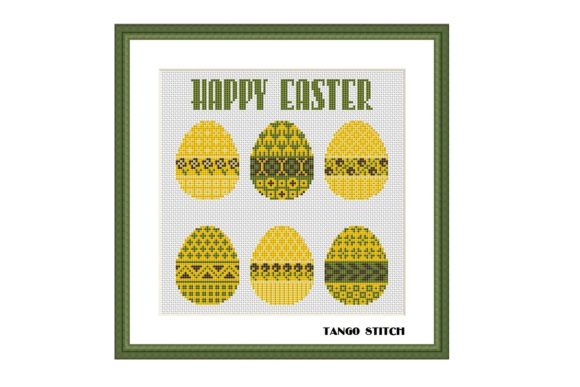
Happy Easter. Cross Stitch Pattern
A Thoughtful Fit for Seasonal Handmade Projects
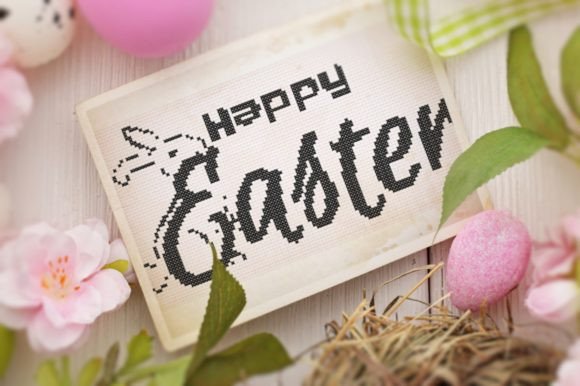
As an embroidery designer who’s shipped over 300 custom orders—from boutique nursery pillows to Etsy bestsellers—I approached the Happy Easter. Cross Stitch Pattern with quiet curiosity. Not as a novelty download, but as a potential workhorse for spring collections. Its charm is immediate: a clean, friendly Easter bunny rendered in cross stitch with gentle curves and open negative space. At just 29 × 78 stitches, it’s compact—not fussy, not overwhelming. That scale signals intention: this isn’t meant for large wall hangings or dense machine embroidery files. It’s built for intimacy—small hoop work, subtle accents, and beginner-friendly rhythm.
What This Pattern *Does* Well in Real-World Use
The single-color requirement (DMC thread recommended) is its strongest practical asset. For small business owners stitching customer orders—say, a linen kitchen towel or organic cotton baby blanket—it cuts setup time, reduces thread waste, and ensures consistency across batches. No color-matching stress. No blending decisions. Just one thread, steady tension, and a cheerful result.
Its proportions—tall and slender—make it ideal for vertical applications: the front of a denim tote bag, the cuff of an apron, the center of a square pillow cover, or even a narrow patch sewn onto a child’s cap. I tested it on lightweight quilting cotton and medium-weight terry cloth—both held the stitch definition cleanly. On stretchy fabric like jersey sweatshirt blanks? Add light tear-away stabilizer underneath, and keep hoop tension firm but not aggressive. The design’s low stitch density means minimal puckering risk, even on delicate weaves.
Where It Shines Commercially—and Where to Pause
For Etsy sellers and craft fair vendors, the Happy Easter. Cross Stitch Pattern delivers strong giftability. Its simplicity reads as handmade, not mass-produced. Paired with natural fibers and thoughtful packaging, it elevates a $24 baby blanket into a keepsake. Likewise, when stitched onto unbleached canvas totes or linen tea towels, it supports brand cohesion for makers leaning into “quiet spring” or “slow craft” aesthetics.
But be mindful: those 78 vertical stitches mean fine detail is limited. The bunny’s face relies on placement and spacing—not intricate shading. That’s perfect for children’s projects or minimalist branding—but less suited for high-resolution printable mockups where pixel-level clarity matters. If you’re listing this as part of a digital embroidery bundle, pair it with complementary graphics (like coordinating egg motifs or border elements) rather than presenting it alone as a standalone “premium” machine embroidery design.
Practical Notes from the Hoop
- Test first: Always run a sample on scrap fabric matching your final product—especially if using dark fabric. One thread color works beautifully on cream or oat, but may fade on navy or charcoal unless you choose a high-contrast DMC shade (like #310 or #745).
- Hoop size matters: A 4" round hoop fits comfortably; avoid going smaller than 3". The 29-stitch width needs breathing room for clean corner transitions.
- Stabilizer strategy: Light cutaway works for woven fabrics; for knits or terrycloth, use a medium-weight tear-away + topping (like Sulky Solvy) to prevent skipped stitches in the bunny’s curved ear.
- Washability: Because it’s cross stitch—not dense satin or fill stitch—it holds up well to gentle machine washing. Reinforce backstitching at start/end points if the finished product will see frequent laundering (e.g., kitchen towels or baby bibs).
- Licensing check: Before selling physical items featuring this pattern, review the Creative Fabrica license terms on the product page. As a Cross Stitch Pattern under the Graphics category, usage rights for commercial finished goods are typically included—but always confirm before scaling production.
How It Shapes Your Customer Experience
This isn’t just about stitches—it’s about perception. When a customer receives a hand-stitched Happy Easter. Cross Stitch Pattern on a muslin drawstring bag, they don’t see 2,262 total stitches. They feel care. They notice the even spacing. They recognize that someone chose restraint over clutter—a hallmark of confident handmade presentation.
In product photography, the pattern performs reliably. Its balanced composition centers naturally in frame. It doesn’t compete with textures or backgrounds—making it easy to style with spring florals, wood grain, or soft linen. That visual ease translates directly to higher engagement: listings with clean, intentional embroidery tend to convert better on Etsy and Instagram, especially among buyers seeking personalized gifts or seasonal decor.
A Smart Addition—Not a Standalone Solution
The Happy Easter. Cross Stitch Pattern won’t replace your go-to machine embroidery file for complex applique designs or layered satin-stitch motifs. But as a nimble, joyful accent piece? It earns its place. It supports small-batch efficiency, reinforces brand warmth, and meets real project needs—whether you’re embroidering five pillow covers for a local boutique or fulfilling a custom order for a client’s Easter brunch event.
For creative entrepreneurs building seasonal inventory, this pattern offers speed without sacrificing authenticity. It invites participation—ideal for workshops, kids’ craft kits, or collaborative maker events. And because it’s rooted in cross stitch tradition, it adds heritage weight to modern handmade goods.
If your goal is versatility, clarity, and quiet celebration—not flash or complexity—the Happy Easter. Cross Stitch Pattern delivers exactly that. Just remember: stitch with intention, stabilize with purpose, and always let the fabric—and your customer’s expectations—guide your final choices.