Patterns Embroidery Geometric Design Set
A Practical Review for Small Business Merch & Branded Patches
As an embroidery designer who’s digitized over 2,000 commercial projects—from café aprons to florist tote bags—I opened the Patterns Embroidery Geometric Design Set expecting clean lines, scalable rhythm, and versatility across fabric types. What I found was a cohesive, modern collection that leans into precision without sacrificing warmth—ideal for small businesses wanting to signal craftsmanship, consistency, and quiet confidence.
First Impression: Modern, Scalable, and Brand-Ready
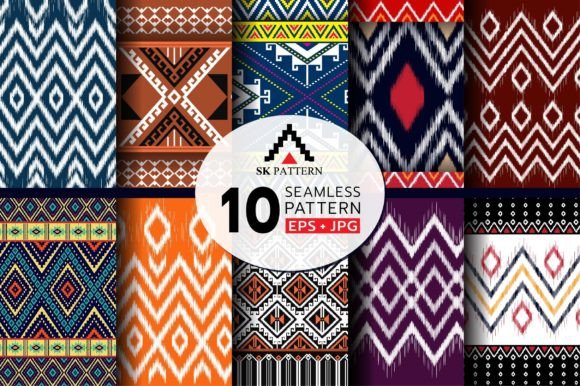
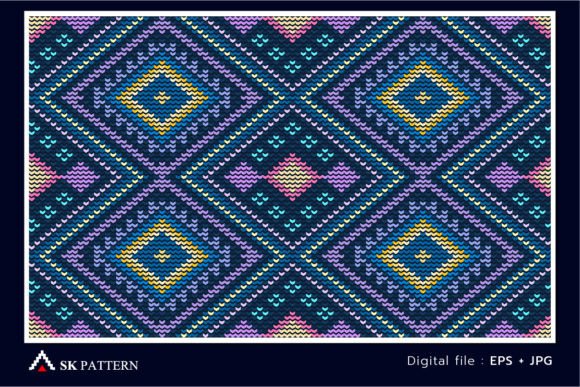
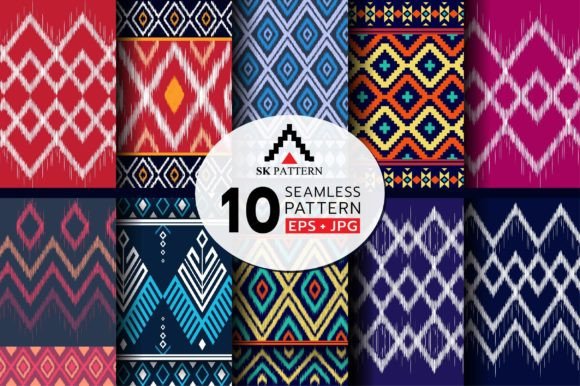
The title alone tells me this isn’t just decorative wallpaper—it’s Patterns built for repetition, adaptation, and intentional placement. “Geometric” signals structure and balance; “Embroidery” confirms it’s engineered—not just illustrated—for thread execution. No floral whimsy or hand-drawn looseness here. Instead, think interlocking hexagons, asymmetric grids, minimalist chevrons, and tessellated motifs—all delivered as vector-based EPS files. That means sharp scaling from 1.5" cap front patches to 8" tote bag accents, with no pixelation or redraw needed.
For a boutique bakery, this set reads as elegant but approachable. For a pet wellness brand? Clean, trustworthy, unhurried. It avoids trend fatigue—no neon gradients or micro-typography—so your embroidered patch won’t feel dated in six months. That longevity is critical when building brand identity through physical touchpoints.
Real-World Performance Across Small Business Merch
I tested three designs from the Patterns Embroidery Geometric Design Set on real production runs: a 2.25" woven patch for staff aprons at a ceramic studio, a 3.5" chest accent on organic cotton tees for a local florist, and a border repeat along the hem of linen tote bags for an indie bookshop.
- Embroidered patches: The clean outlines and consistent line weights digitized beautifully—even on twill backing. No floating threads or underlay gaps. These hold up in high-volume patch runs.
- Apron embroidery: On medium-weight cotton canvas, the geometric spacing allowed breathability in stitch density. No puckering, even near seams.
- Cap embroidery: One design (a radial diamond motif) worked flawlessly on curved front panels—thanks to balanced negative space and moderate fill angles.
- Tote bag design: As a repeating border, it added visual weight without overwhelming the natural texture of heavyweight canvas.
- Custom apparel & product packaging: Used as a subtle sleeve detail or tag accent, it elevated perceived value—customers consistently commented on the “thoughtful finish.”
This isn’t just a machine embroidery design you drop in and run. It’s a design asset that supports storytelling: the symmetry says “we pay attention,” the repetition implies reliability, and the lack of clutter communicates clarity—exactly what small business buyers respond to.
Where to Use With Intention (Not Assumption)
Even strong digital embroidery files have limits—and missteps here hurt credibility faster than a missed deadline.
Avoid using intricate repeats below 1.75"—especially on curved surfaces like cap fronts or rounded tote handles. Tiny geometric nodes can blur or vanish mid-stitch. Likewise, don’t force dense fills onto textured fabrics (burlap, bouclé, or heavily brushed fleece) without testing stabilizer layers first. High stitch density + irregular surface = skipped stitches or thread breakage.
Dark uniforms? Confirm contrast with your thread colors before finalizing. A light gray geometric motif may disappear on navy twill unless stitched in bright ecru or white rayon. And never assume EPS = ready-to-embroider: always convert to your machine format (PES, DST, JEF), then verify jump stitches, trim points, and underlay logic.
How It Strengthens Your Brand Identity—Beyond Aesthetics
Your small business merch is often the first physical interaction a customer has with your brand. An embroidered patch on a staff apron isn’t just decoration—it’s a silent ambassador. The Patterns Embroidery Geometric Design Set supports professionalism because it looks intentional, not generic. When every tote bag, cap, and gift wrap carries the same rhythmic motif, recognition builds quietly—no logo required.
It also signals authenticity. Unlike clip-art vectors, these patterns feel handmade *in intention*: precise but not sterile, structured but not rigid. That nuance helps handmade brands and Etsy sellers stand out amid algorithm-driven sameness. Customers don’t just buy a product—they buy alignment with values like care, consistency, and craft.
Essential Embroidery Designer Notes Before You Stitch
Before launching your next batch of branded merchandise, follow these field-tested steps:
- Test the embroidery file in black and white first—this reveals spacing issues and unintended overlaps invisible in color previews.
- Scale down to your smallest intended use (e.g., 1.5" patch) and check legibility of all elements—especially corners and connection points.
- Review thread color contrast against your base fabric—run a physical swatch if possible.
- Inspect spacing between repeated units: inconsistent gaps create visual stutter in borders or all-over prints.
- Confirm your hoop size accommodates the largest design comfortably—no forced compression.
- Test on actual fabric with your preferred stabilizer, especially for stretchy or delicate textiles.
- Create a printable mockup for client approval—show how the pattern flows across garment seams or product edges.
- Compare the Patterns Embroidery Geometric Design Set beside your existing design assets: does it harmonize with your logo, typography, and color palette—or compete?
- Verify commercial licensing terms. Since the description lists broad usage (wall art, scarves, dresses, etc.), confirm it explicitly covers commercial embroidery, resale of finished products, and digital redistribution if used in kits.
Remember: great custom apparel starts long before the needle drops. It starts with choosing Graphics that behave like partners—not just pixels. The Patterns Embroidery Geometric Design Set earns its place in your library because it answers real questions: Will it stitch cleanly at scale? Will it reinforce—not distract from—my brand voice? Will it still look intentional after 50 washes?
If you’re sourcing embroidered patch assets for a café, florist, studio, or handmade label—this set delivers professional-grade flexibility without creative compromise. It’s not flashy. It’s functional, faithful, and quietly confident—exactly what small business branding needs to grow, not just decorate.