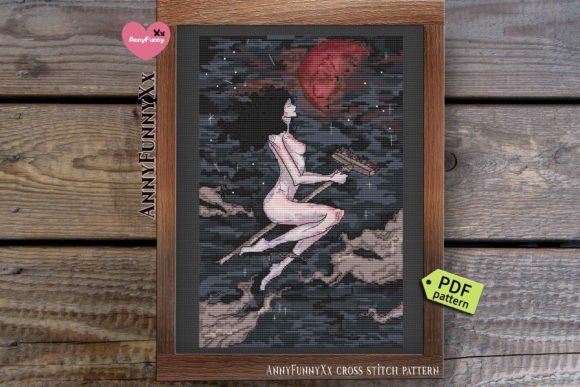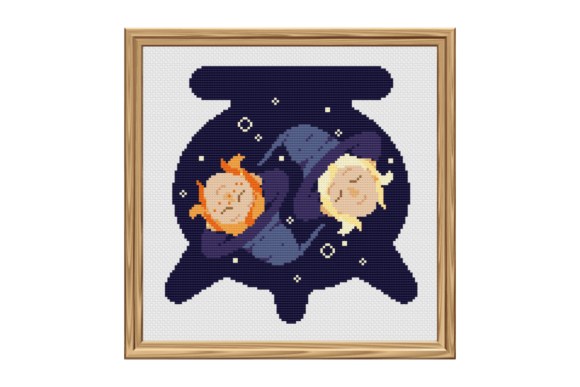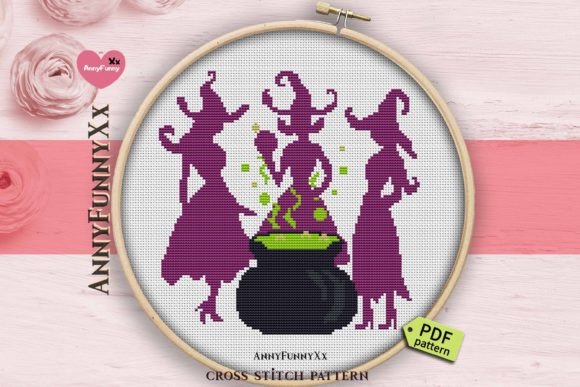
Crystal Witch Cross Stitch Pattern
A Craft Fair Designer’s First Look: Bold, Mystical, and Booth-Ready
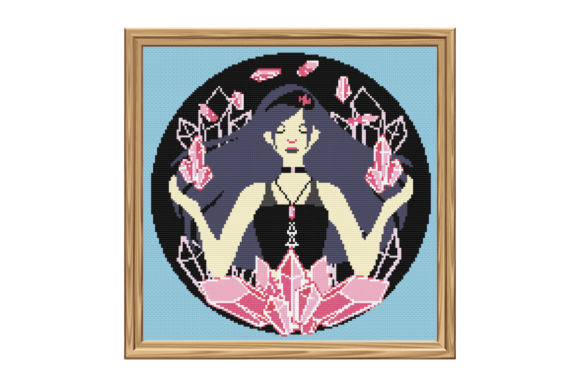
As an embroidery designer who’s packed up 47 craft fairs—and counted every unsold tote bag—I opened the Crystal Witch Cross Stitch Pattern with one question: *Will this stop someone mid-aisle?* The answer is yes—especially if you’re selling to spiritually curious shoppers, modern witches, crystal collectors, or anyone who loves a little magic in their handmade goods. The title alone evokes mystique without leaning into cliché; it feels intentional, not trendy. “Crystal Witch” suggests elegance and energy—not spooky Halloween kitsch—and “Cross Stitch Pattern” signals authenticity and skill. It lands somewhere between boho-chic and quietly powerful: not too cute, not too dark, never generic.
Where This Pattern Shines on Real Craft Fair Products
The Crystal Witch Cross Stitch Pattern thrives as a focal point—not filler. On a natural linen tea towel? Absolutely. As a centered motif on a black cotton apron? Striking. As a small embroidered patch sewn onto a denim market bag? Delightfully unexpected. Its visual weight holds up across scales: large enough to read from three feet away, detailed enough to reward closer inspection. That balance makes it ideal for booth samples—whether stitched on a mini pillow cover propped beside your pricing sign or framed in a 6-inch hoop hung above your table.
For Etsy sellers and digital designers, this pattern works beautifully in printable mockups: soft shadows, clean lines, and a centered composition translate well to lifestyle photos. As a tote bag design, it reads clearly even when printed at 5x7 inches. As apron embroidery, it anchors the chest area without overwhelming the garment’s function. And unlike overly dense machine embroidery designs, this cross stitch layout breathes—it doesn’t require heavy stabilizer stacking or multiple hooping passes, which matters when you’re stitching 30+ pieces before Saturday morning.
Practical Production Notes Every Handmade Seller Should Know
Before batch-stitching your first run of Crystal Witch Cross Stitch Pattern products, test it—seriously. Not just on paper, but on your *actual* fabric. Linen tea towels have loft and slippage. Denim pouches resist needle penetration. Caps curve. Dark fabrics mute thread contrast. A design that looks perfect in a PDF can vanish on charcoal-gray canvas unless you’ve verified thread colors against your base material.
Here’s what I check every time:
- Hoop size & spacing: Does the full design fit comfortably inside your standard hoop without constant repositioning? Tight corners or narrow margins increase fatigue—and errors.
- Stitch density: Are there clusters of backstitches or tiny star motifs that’ll pucker thin cotton? High-density zones need lighter tension or cutaway stabilizer.
- Fabric texture: On terry cloth or thick toweling, fine details (like crystal facets or delicate wand lines) may blur. Consider simplifying or enlarging those elements for kitchen-focused items.
- Lettering legibility: If the pattern includes text (“Manifest,” “Blessed,” or similar), confirm it remains readable at 2.5 inches tall—even under fair lighting or phone-flash photos.
What Makes This Pattern Sell—Beyond the Aesthetic
It’s not just about beauty. The Crystal Witch Cross Stitch Pattern supports *brand consistency*. Whether you sell sage-scented candles, hand-poured crystals, or herbal teas, this motif whispers shared values: intention, self-care, quiet power. It elevates a simple cotton pouch into a ritual object. It turns a plain apron into a statement piece for the intuitive baker or tarot reader at your local makers’ market.
In your booth display, it adds visual rhythm. Pair it with neutral linens and matte-black ceramics, and it becomes a grounding focal point. Place it beside watercolor-printed botanicals, and it adds contrast and depth. Unlike minimalist patterns that fade into background noise, this one carries narrative weight—inviting questions, stories, and connection. That’s how you turn a $12 tea towel into a $28 gift-ready bundle.
Cross Stitch Patterns That Convert: Why This One Stands Out
Most Cross Stitch Patterns fall into two camps: ultra-simple (great for beginners, forgettable in a crowd) or hyper-complex (impressive, but impractical for volume production). The Crystal Witch Cross Stitch Pattern splits the difference. It has clear hierarchy—central symbol, supporting glyphs, balanced negative space—so stitchers know where to begin and how to pace themselves. That clarity translates directly to your bottom line: fewer abandoned projects, more finished products, stronger repeat customers.
As a digital embroidery file or Graphics-based asset, it’s versatile across mediums. Print it on labels. Embroider it on patches. Vectorize key shapes for iron-on transfers. Use the layout as inspiration for coordinating stitch markers or packaging stamps. Its adaptability means one purchase fuels multiple product lines—ideal for small shop owners juggling inventory, time, and cash flow.
Final Designer Notes Before You Launch
Before listing your first Crystal Witch Cross Stitch Pattern-inspired item—whether as a handmade product, craft fair product, or commercial embroidery offering—do these three things:
- Verify licensing: The description says “Upon download, you will receive a PDF file with the instructions.” Confirm whether this grants commercial use rights for finished goods. When in doubt, email the designer—or skip resale entirely and use it only for personal craft fair inventory.
- Create one real mockup: Stitch it fully on your chosen fabric, photograph it in natural light, and hold it up beside your other bestsellers. Does it hold its own? Does it feel cohesive with your brand palette?
- Compare thread colors across lighting: What looks rich and deep in your studio may appear muddy under fluorescent fair tents. Test under LED, daylight, and warm bulb conditions.
The Crystal Witch Cross Stitch Pattern isn’t just another design—it’s a conversation starter, a value amplifier, and a quietly confident addition to any handmade lineup. Done right, it won’t just sell. It’ll make people pause, smile, and reach for their wallet—before they even realize they wanted magic in their tote bag.